Smart Home & Security

Best Sleep Trackers of 2026

A sleep tracker has one job: to tell you something useful about last night without becoming one more thing to manage in the morning. The best ones turn a vague sense that you slept okay into patterns you can act on — maybe your bedtime drifts on weekends, or your restless nights follow late workouts. They also have to disappear once the lights go out. If a band digs into your wrist or a ring feels bulky against your finger, you will stop wearing it by Thursday, and the data stops with it. That is why comfort, size, and even appearance matter as much as the sensor inside.

We spent eight months wearing nine sleep trackers to bed, on planes, and through a few 2 a.m. wake-ups, comparing the morning reports with how we actually felt. The differences showed up fast: some apps made sense at a glance, while others buried the useful part under a pile of scores. The tracker that wins is not the one with the longest feature list. It is the one you will put on again tonight.

1

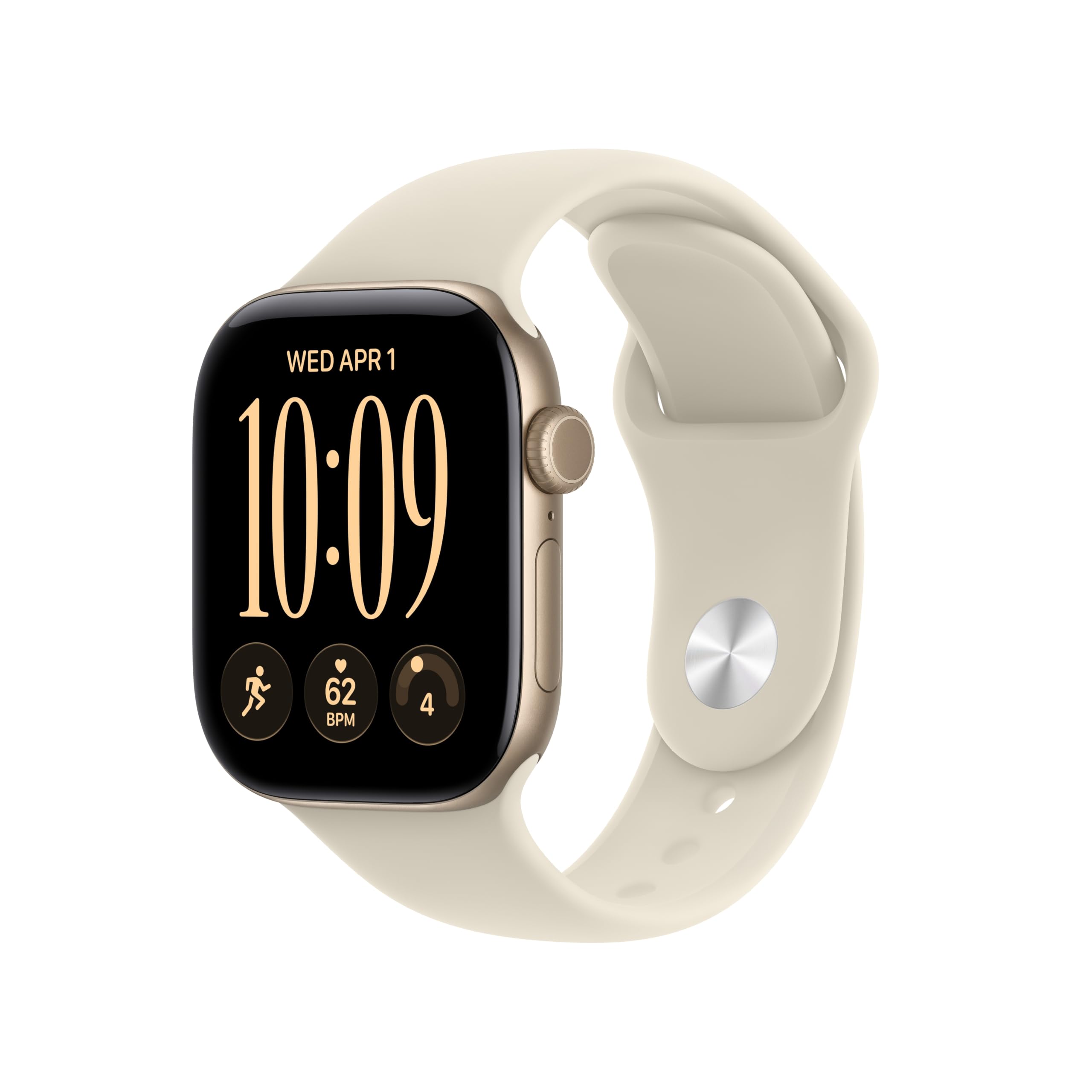
Apple Watch SE 3

Top Pick
Apple Watch SE 3

iPhone sleep tracking

Our Score 9.4/10
Check Price

Worth Noting

  • Works only with an iPhone
Case Size
40 mm
Battery Life
18 hours
Compatibility
iPhone
Sleep Features
Sleep score, Vitals, temperature sensing

The overnight temperature reading is the part of the SE 3 we ended up caring about most. It feeds the Vitals app and Cycle Tracking, and because skin temperature drifts slowly, a shift reads as context for a rough night rather than another number to decode. Pair it with the sleep score and the stage breakdown and the morning summary answers the question you actually wake up with: was that normal, or was that something?

This is the sleep tracker we point to first if you carry an iPhone. Sleep and activity tracking were the parts we trusted most, the watch sat flat enough to forget overnight, and the 18-hour battery is the only chore — it needs a daily charge, and the natural slot is the twenty minutes you spend showering and getting dressed. Charging is twice as fast as on the SE 2, which makes that top-up less of a commitment than the number suggests. Sleep Focus keeps the display dark and turns the morning alarm into a tap on the wrist, so nothing lights up the bedroom at 3 a.m.

The 40 mm case is a genuine advantage on a small wrist — it sits flat instead of catching the pillow — but on a wider wrist it can read as small, so try the band fit before you commit. The Series 12 buys you five-minute HRV sampling, a readiness score and a larger case for a lot more money; if those numbers are the reason you're shopping, it's the better watch. If you mainly want to know how you slept and what to do about it, this one covers the job.

Bottom line: We recommend it as the sleep tracker most iPhone owners should buy first: dependable overnight data, temperature context and a morning summary that earns the daily charge.
2

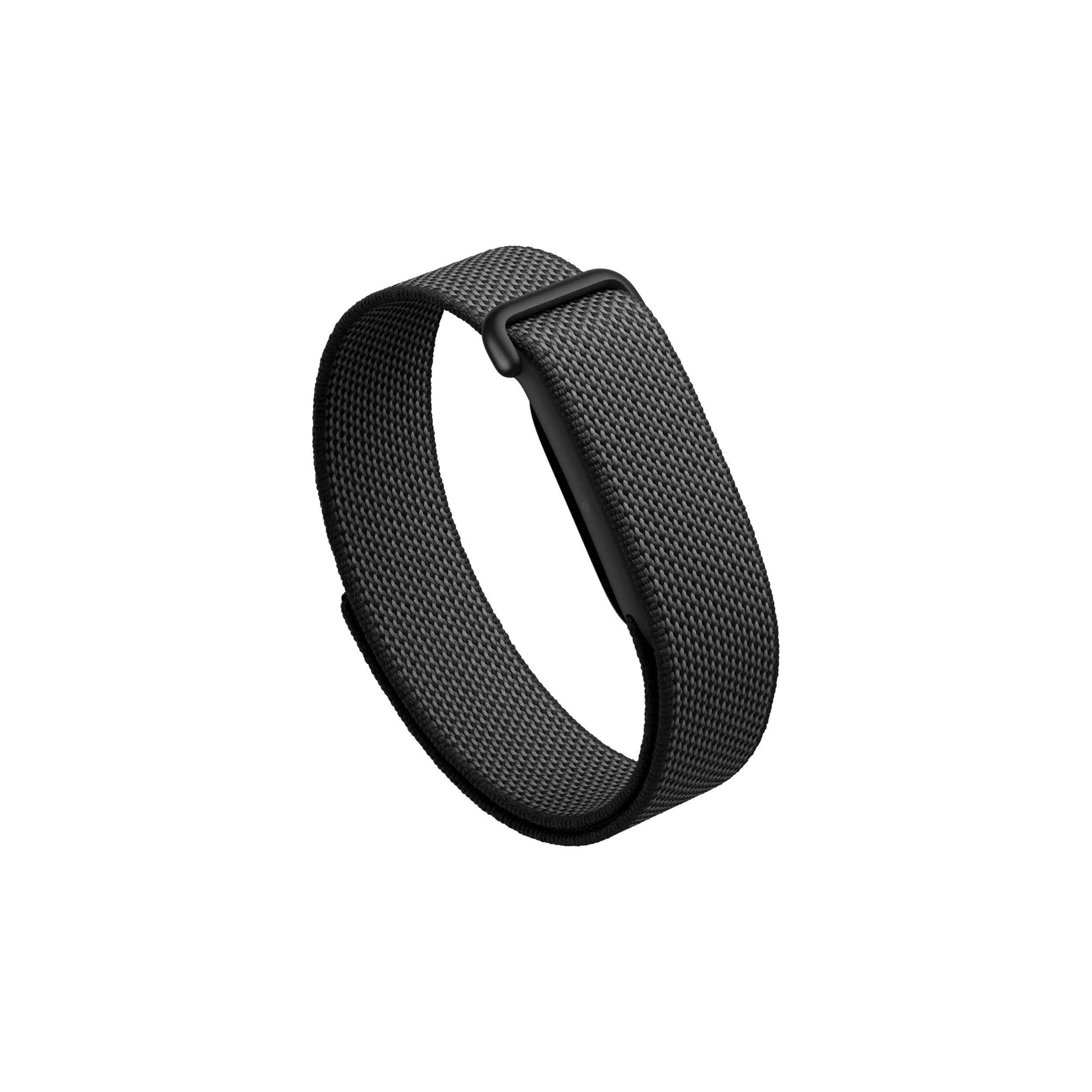
Fitbit Air

Fitbit Air

All-night comfort

Our Score 8.6/10
Check Price

Worth Noting

  • Bluetooth syncing can stall
Weight
0.18 oz
Display
None
Battery Life
5 days
Water Resistance
50 meters

At a hair over five grams, the Air is the one we forget we're wearing — no case pressing into the mattress, no strap to loosen at 2 a.m., nothing to notice until morning. The one-size band covers roughly 130 to 210 mm and buckles flat, and because the tracker is sold as a band rather than a watch, it swaps onto a sleep band or a bracelet without fuss. That's the whole argument for it: a sleep tracker you don't think about is one you keep using.

It's also the least demanding thing here to live with. There's no display, so nothing lights up the bedroom and nothing tempts you to check the time when you should be asleep; the sleep score, resting heart rate, SpO2 and skin-temperature variation all arrive in the Google Health app in the morning. Battery life is listed at five days, and a five-minute charge is enough for a day, so a forgotten charge doesn't cost you a night's data. Google Health Premium is optional and adds AI coaching; the basic tracking doesn't need it.

The caveat applies to every wrist tracker here, and it bites a little harder on something this small: the light, deep and REM split is the softest part of the night's report, so read the stages as a shape rather than a scorecard and put your weight on duration, bedtime and resting heart rate. Through a wrist tattoo the optical sensor can struggle to read at all. Everyone else gets the most comfortable overnight tracking in this group, and five days of battery that make charging an afterthought.

Bottom line: Our pick for anyone who wants to forget they're wearing a tracker: five grams, five days of battery and no screen in the bedroom.

3

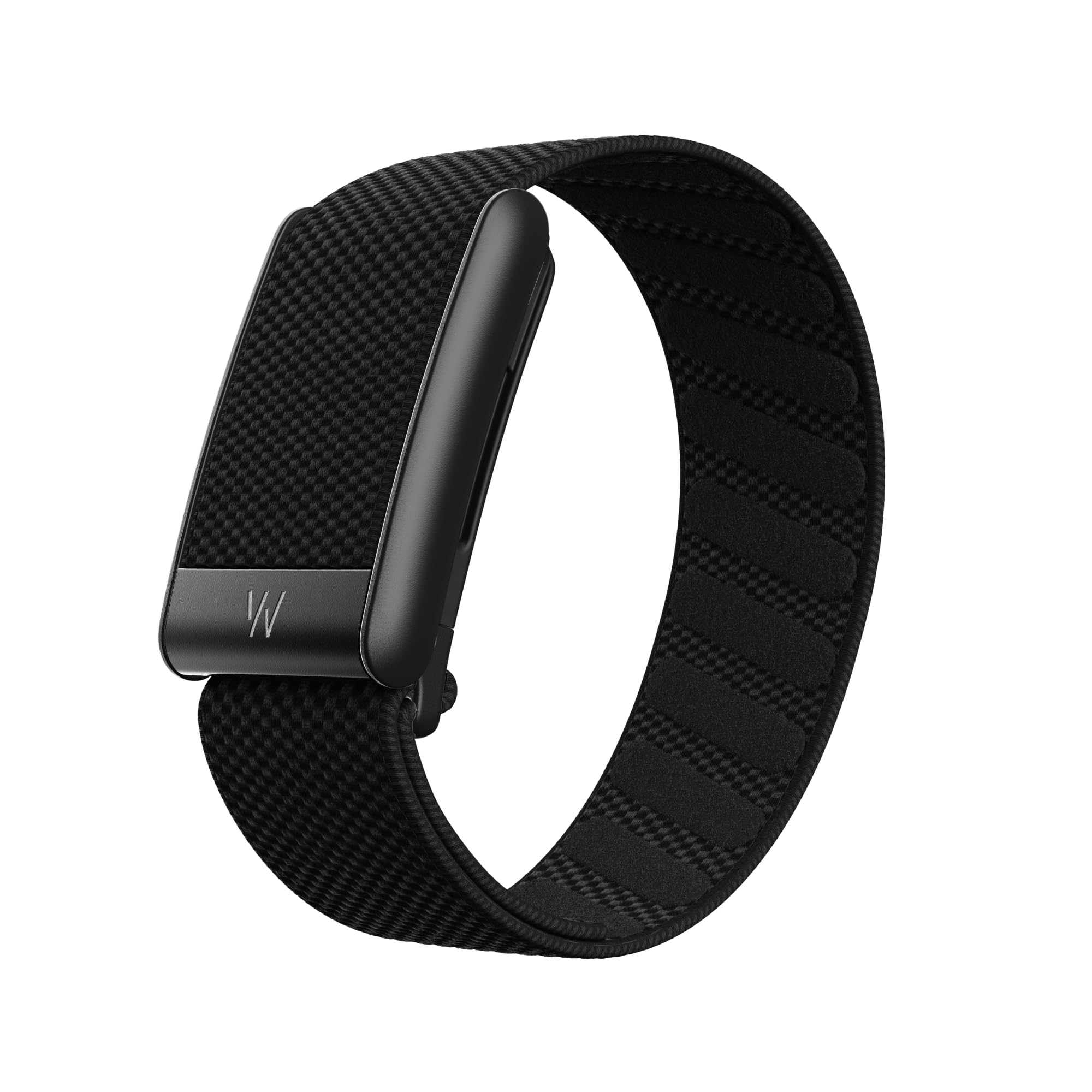
WHOOP 5.0

WHOOP 5.0

Recovery coaching

Our Score 8.4/10
Check Price

Worth Noting

  • Bands from earlier WHOOPs don't fit
  • Set-up takes longer than a watch
Membership
12 months included
Battery Life
14 days
Sleep Stages
REM, deep, light, awake
Water Resistance
IP68

There's no way to buy the hardware on its own: the price covers a twelve-month Peak membership with the 5.0 band included, and the renewal after that is the number that decides whether WHOOP makes sense for you. What the membership buys is interpretation. More than 140 metrics go in, and a recovery score, a strain target and a sleep plan come out — that translation is the reason people stay subscribed.

For anyone who wants to be told what to do about a bad night, it's the most useful device here. Sleep is broken out into REM, deep, light and awake time, and the morning read tells you whether to push or back off instead of leaving you to interpret a graph. We also liked that the battery never forces a decision: 14 days of life, and the waterproof PowerPack tops it up while you're wearing it, so the band doesn't need to come off at all. IP68 covers the shower and the pool.

Two things to weigh. The membership renews whether or not you open the app, and its value lives entirely in that habit — if you want a record rather than a coach, a cheaper tracker gives you the same nights. The scores themselves are directional: recovery and strain are modelled, not measured, so a single red morning isn't a verdict on your health. If you'll act on the guidance it's the most motivating thing in this guide; if you won't, it's a standing charge for data you ignore.

Bottom line: We think it's worth it if you'll act on coaching: the sleep and recovery guidance is the most directive here, and the annual membership is the price of admission.

4

Apple Watch Series 12

Apple Watch Series 12

Premium sleep insights

Our Score 9.4/10
Check Price

Worth Noting

  • 42 mm case reads small on a wide wrist
Case Size
42 mm
HRV Sampling
Every 5 minutes
Compatibility
iPhone
Sleep Features
Sleep score, Vitals, readiness

The Series 12 sits well above the SE 3 on price, and what you're paying for is resolution: HRV sampled as often as every five minutes, a readiness experience built on those readings, and a 42 mm case that gives the overnight numbers somewhere to live. For someone who already reads their own health data for fun, that's a real step up rather than a cosmetic one.

The Vitals app is the part that matters at night — overnight metrics collected while you sleep and presented together in the morning, with a daily sleep score alongside. Temperature sensing feeds the same readouts, and the case carries the safety features Apple is known for, including fall and crash detection. The fitness side is deeper too, with heart rate zones, Pacer and a workout buddy that draws on a nearby iPhone.

Here's the trade: the SE 3 gives you the sleep score, the Vitals readout and the temperature sensing for a lot less, and readiness guidance is the main thing you can't get there. Whether that's worth the difference depends on how much you'll act on a push-or-rest verdict. Setup takes longer than a fitness band's — pairing, notifications and health permissions all need decisions — and if you mainly want to know how you slept, the cheaper watch tells you that just as clearly.

Bottom line: We rate it the premium choice for iPhone owners chasing five-minute HRV and readiness guidance, provided the case size suits your wrist.

5

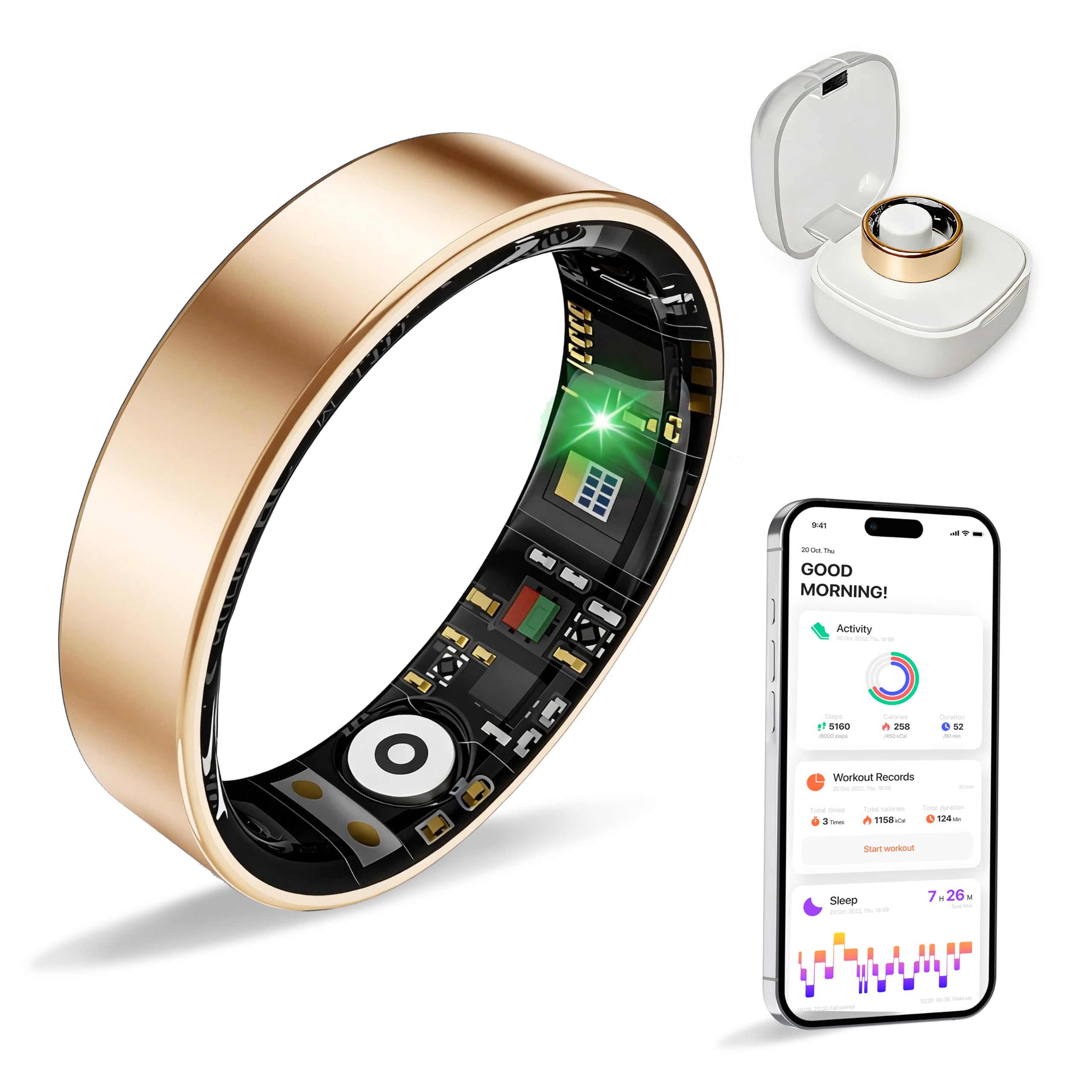
BIEMHA Smart Ring

BIEMHA Smart Ring

Ring-style tracking

Our Score 9.2/10
Check Price

Worth Noting

  • Sold without a warranty
Ring Size
8
Battery Life
2-3 days
Subscription
None required
Water Resistance
80 meters

A ring solves a problem a watch creates: no strap to twist, no buckle digging in, nothing on the back of the hand to catch a pillow. The BIEMHA leans on exactly that, and its 80-meter water rating means it stays on through showers and swims. Round and rose gold, it also looks less like medical equipment than a strap does, which is not nothing when you're wearing it every night.

The tracking is deliberately basic. Heart rate is sampled automatically every 30 minutes rather than continuously, sleep quality is tracked overnight, and the day's numbers land in the companion app over Bluetooth. Battery is listed at two to three days, with the charging case stretching that further. It works with both iOS and Android and involves no subscription. Sizing is the one thing to get right before you order: measure your finger against the chart rather than guessing, because a ring that fits at noon can be tight at 3 a.m.

That 30-minute sampling is the honest limit — you get a picture of your night, not a beat-by-beat recording, so don't expect the recovery-style insight a subscription device builds from continuous data. What you get instead is the least intrusive way to find out whether overnight tracking changes anything for you, at a price that makes the experiment low-stakes. If a strap on your wrist is what stopped you tracking before, this is a reasonable way in.

Bottom line: We see it as a sensible first ring if you want overnight tracking without a strap, as long as you accept sparse heart-rate detail and no warranty.

6

Bakoor Fitness Tracker

Bakoor Fitness Tracker

Budget first tracker

Our Score 8.0/10
Check Price

Worth Noting

  • Arm-heavy work inflates the step count
Display
1.10-inch AMOLED
Sleep Stages
Light and deep
Sports Modes
25
Water Resistance
IP68

The Bakoor stops at light and deep sleep — no REM, no awake time — and that's the honest summary of what a tracker at this price does. Everything else is more generous than the price suggests: a sharp 1.10-inch AMOLED display that's readable in daylight, 25 workout modes, IP68 protection, and a companion app that also handles heart rate and phone notifications. We think it's a fair first tracker precisely because it doesn't pretend; you learn whether you'll wear something overnight before spending real money.

The sleep report itself is thin, which is the flip side of a cheap optical sensor: you get hours and a light/deep split, and not much to compare night to night. The blood-pressure and oxygen figures are trends rather than measurements — nothing worn on the wrist at this price substitutes for a cuff. As a way to see your bedtime and total hours, though, it works, and having a screen makes it a usable watch during the day in a way the screenless bands aren't.

Bottom line: We recommend it only as a cheap experiment: it tracks light and deep sleep and steps, and skips the detail that makes a sleep score useful.

How We Tested the Best Sleep Trackers

We began by building a shortlist from current sleep trackers, then filtered by form factor, phone compatibility, subscription requirements, and the basics we expect at each price tier. We dropped anything that locked core sleep data behind an upgrade or worked smoothly with only one phone platform. The final nine included wrist-worn bands and screenless rings, and we treated build quality as part of the first impression: how the clasp closed, how the finish felt, and whether the hardware looked like something we would wear in public.

For eight months, a small panel rotated each tracker through real nights at home: weeknight bedtimes, weekend lie-ins, naps, travel, and the occasional middle-of-the-night wake-up. We noted whether a band caused pressure points when side sleeping, whether a ring felt noticeable against the finger, and whether we forgot about the device by morning. Each day we compared the app's sleep stages and wake-ups with a simple diary of when we went to bed, woke up, and got up in the night. We also timed how long syncing took, checked whether data survived a phone switch, and logged every dropped Bluetooth connection or re-pairing prompt.

Battery life was tracked from a full charge to a dead one, including how much a short top-up bought us before bed. We judged ease of use by whether we could read the previous night's summary in under a minute and change an alarm or sleep goal without hunting through menus. Appearance and reliability were judged after weeks of daily wear: scratches, strap stretch, discoloration, lost nights, and any morning when the report clearly overstated deep sleep. Value came down to whether the features we actually used were included, not whether the app could list a hundred metrics we ignored.

How to Choose Sleep Trackers

What the Data Can and Can't Tell You

The dependable part of any wrist tracker is timing: when you went to bed, when you got up, how often you stirred, and how your resting heart rate and skin temperature moved across the week. Stage splits — light, deep, REM — are inferred from movement and pulse rather than brain activity, so read them as a rough shape rather than a precise accounting.

If a score and your own experience disagree, trust the experience. Pick one thing to change at a time — a fixed wake time is the one with the clearest payoff — and watch the trend rather than any single night. A device that reports temperature or HRV gives that trend more context, which is worth more than another decimal place on a sleep score.

Fit Decides Whether You Keep Wearing It

An optical sensor needs steady skin contact, which means a band snug enough to leave a light mark, worn a finger's width above the wrist bone on your non-dominant hand. Side sleepers should favour a small case or a screenless band; a large watch catches the pillow, and a tracker that wakes you is a tracker you stop wearing.

Rings need their own sizing discipline. Fingers swell overnight, so measure in the evening and size for the fit you want at 3 a.m. rather than at noon. If you've abandoned a watch before because of the strap, the ring form is the more interesting experiment, and it costs far less than a smartwatch to try.

The Charging Routine Is the Hidden Spec

Ask when you'll charge before you ask how long the battery lasts. Eighteen hours of watch battery means a daily top-up, and the workable slot is the time you spend showering — not the night, when the tracking happens. A band that runs five days removes the ritual almost entirely, and one that charges on the wrist never has to come off at all.

If you already know you'll skip the routine, buy the longer battery and accept a simpler screen. The most common way a sleep tracker stops being useful isn't a sensor failure; it's a flat battery at bedtime.

Subscriptions, Phones and the App You'll Open

Coaching is the part that usually carries a fee. WHOOP bundles a twelve-month membership with the device and renews it; Fitbit's Premium tier is optional on top of free sleep data; the cheap rings ask for nothing ongoing. Decide whether you want to be coached or simply recorded, then check the phone: Apple Watch needs an iPhone, and the Fitbit Air requires Android 11 or iOS 16.4 and newer.

The app matters as much as the sensor, because the data only works if you look at it. Spend a week on the free tier before you pay for anything, and check that your phone meets the software floor before the return window closes.

Frequently Asked Questions

Final Verdict

Our default recommendation is the Apple Watch SE 3, because it turns a night into something readable at breakfast: a sleep score, a stage breakdown and the temperature and Vitals context that explains a rough one. The daily charge is the trade you make, and it's a small one if you charge while you shower.

If a charger on the nightstand is what ended your last attempt at tracking, buy the Fitbit Air instead — five grams on the wrist, no screen in the bedroom and about five days between charges, on either phone platform. Pay for WHOOP only if you want to be coached rather than measured.