Wearables & Health

Best Fitness Trackers for Women of 2026

The best fitness tracker is the one you forget you're wearing — until it tells you something about your body you didn't already know. Most aren't built that way: the band digs in by the second mile, the case is sized for a bigger wrist, and the screen is either unreadable in sunlight or blinding at 2 a.m. A good one disappears and just handles the job — how you slept, how hard you worked, whether you're actually improving.

I've worn trackers for years, long enough to trust my wrist more than a spec sheet. This time we wore 12 of them around the clock for six months — to spin class, to bed, into the shower, and on a trip where nobody packed a charger. Comfort and looks counted as much as heart rate accuracy; one you won't wear out on a Friday night lives in a drawer by month two. A loose band can make a good sensor read badly, so snug beats fancy. Here's what earned the wrist space.

1

Google Fitbit Air

Top Pick
Google Fitbit Air

Everyday wear and sleep

Our Score 8.6/10
Check Price

Worth Noting

  • No glanceable stats
  • Pairing and syncing can need a second attempt
Weight
0.18 oz
Wrist Range
130–210 mm
Battery Life
5 days
Water Resistance
50 m

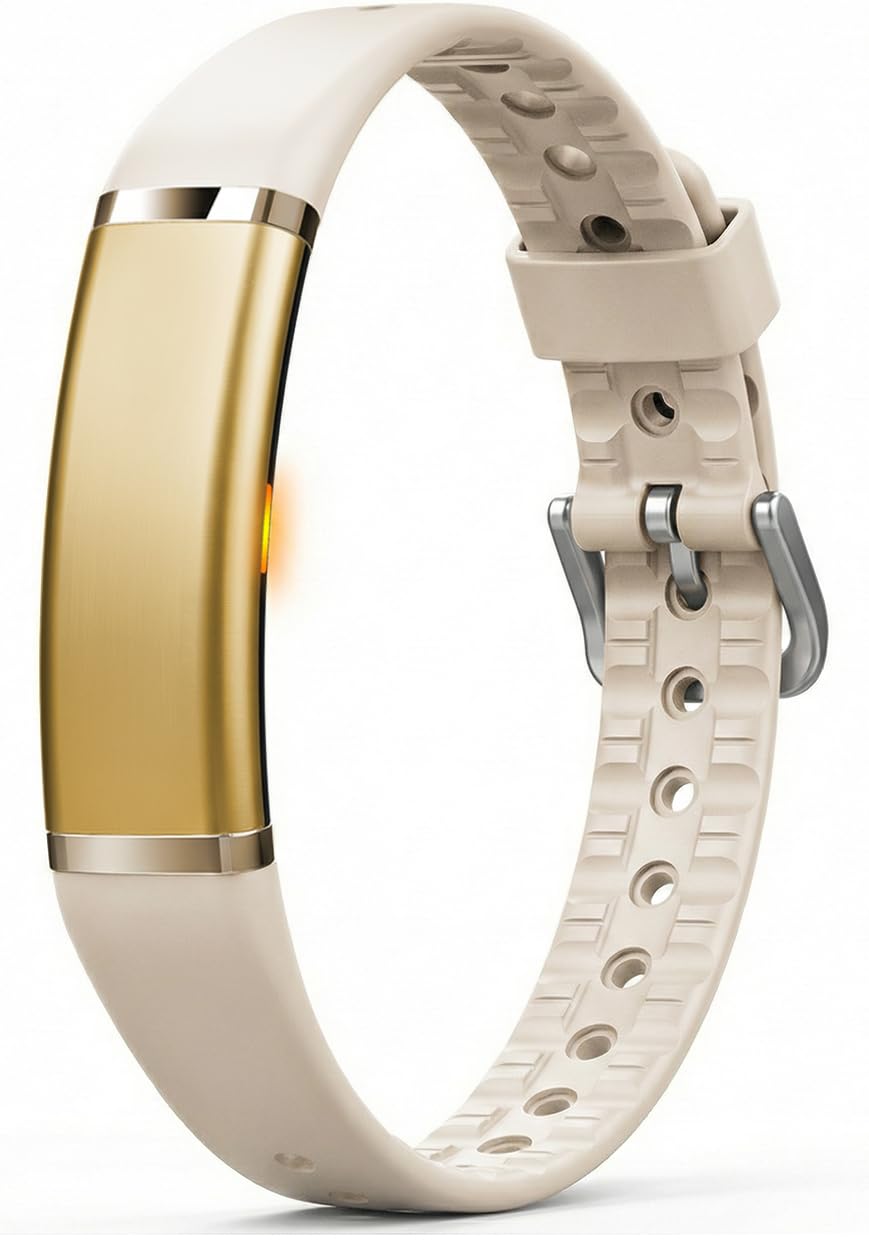
No screen is the whole idea, and the first thing we noticed after a night in the Air is how little there is to notice: the band weighs about five grams and the micro-adjustable strap runs from 130 to 210 mm, so it sits flat on a small wrist instead of riding up toward the elbow. Light, snug and silent is the combination that makes it our overall pick.

What it measures is the reason to keep it on: all-day heart rate, blood oxygen, skin temperature variation, steps and sleep stages, all in the Google Health app, with 50-meter water resistance so a shower or a swim is not a decision. Battery is rated at five days, and the fast-charge trick — five minutes on the cable for a day of use — has rescued us more than once when we forgot to plug it in overnight.

Accuracy is the part to hold loosely. Sleep staging is an estimate, and step totals drift when your arms are busy, so we treat the daily numbers as a trend rather than a scorecard: wear it on your non-dominant wrist, tighten it a notch for workouts, and compare a week against your phone before deciding how much to trust it. Google Health Premium is optional after the trial; the tracking you came for works without it.

The screenless design also means nothing buzzes your wrist at dinner, and the band swaps from a bracelet to a workout band to a sleep band in seconds — the kind of detail that reads as marketing until you have tried sleeping in a watch with a clasp under your wrist.

Bottom line: If you want one tracker to wear day and night without thinking about it, the Air's five-gram band and five-day battery make it our default pick.

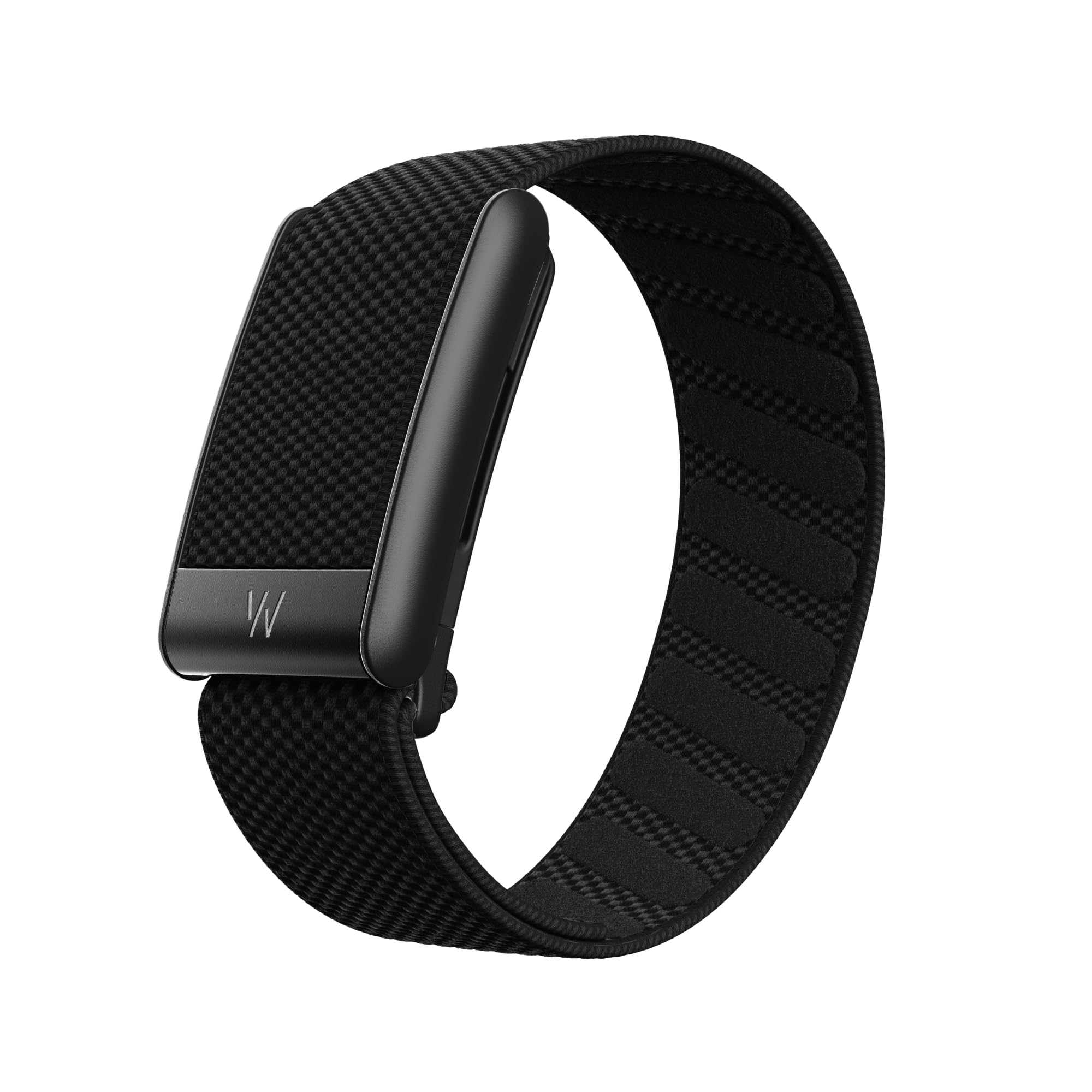
2

Garmin vivoactive 5

Garmin vivoactive 5

GPS and training

Our Score 8.6/10
Check Price

Worth Noting

  • Bulkiest case in this group at 42 mm
  • Most expensive outright purchase here
GPS
Built-in
Weight
1.3 oz
Case Size
42 mm
Battery Life
Up to 11 days

At 42 mm across and 1.3 ounces, the vivoactive 5 is the biggest thing in this roundup, and on a narrow wrist the case covers most of the flat of the arm. That is the trade you are making for a 1.2-inch AMOLED screen you can read in sunlight and a battery rated at eleven days, or five with the display always on.

What the size buys is training depth: built-in GPS, more than 30 sports apps, Body Battery energy monitoring, a sleep score with coaching, HRV status, and 50-meter water resistance for the pool. It records a run without your phone, which no other pick here does.

We think it earns its place for anyone whose workouts have a route and a pace, and the Garmin app is the deepest of the group. The reservations are cost — it is the most expensive outright purchase here — and the size, which the features do not fix on a small wrist. Our favourite detail has nothing to do with running: a wheelchair mode counts pushes rather than steps, with handcycle and push activities preloaded, and it is the most inclusive piece of software on this page.

Bottom line: For runners and gym-goers who want real GPS and training depth, this is the most capable tracker here — just accept the 42 mm case.

3

WHOOP 5.0

WHOOP 5.0

Recovery and sleep

Our Score 8.4/10
Check Price

Worth Noting

  • Yearly membership is the real cost
  • The app has a real learning curve
Membership
12 months included
Battery Life
Up to 14 days
Water Resistance
IP68

The thing to understand before anything else is that you are buying a twelve-month membership; the band comes with it, and the renewal is the real commitment. That single fact decides most of the purchase — if an annual fee for health coaching does not appeal, the Fitbit Air does the everyday job for a one-off outlay.

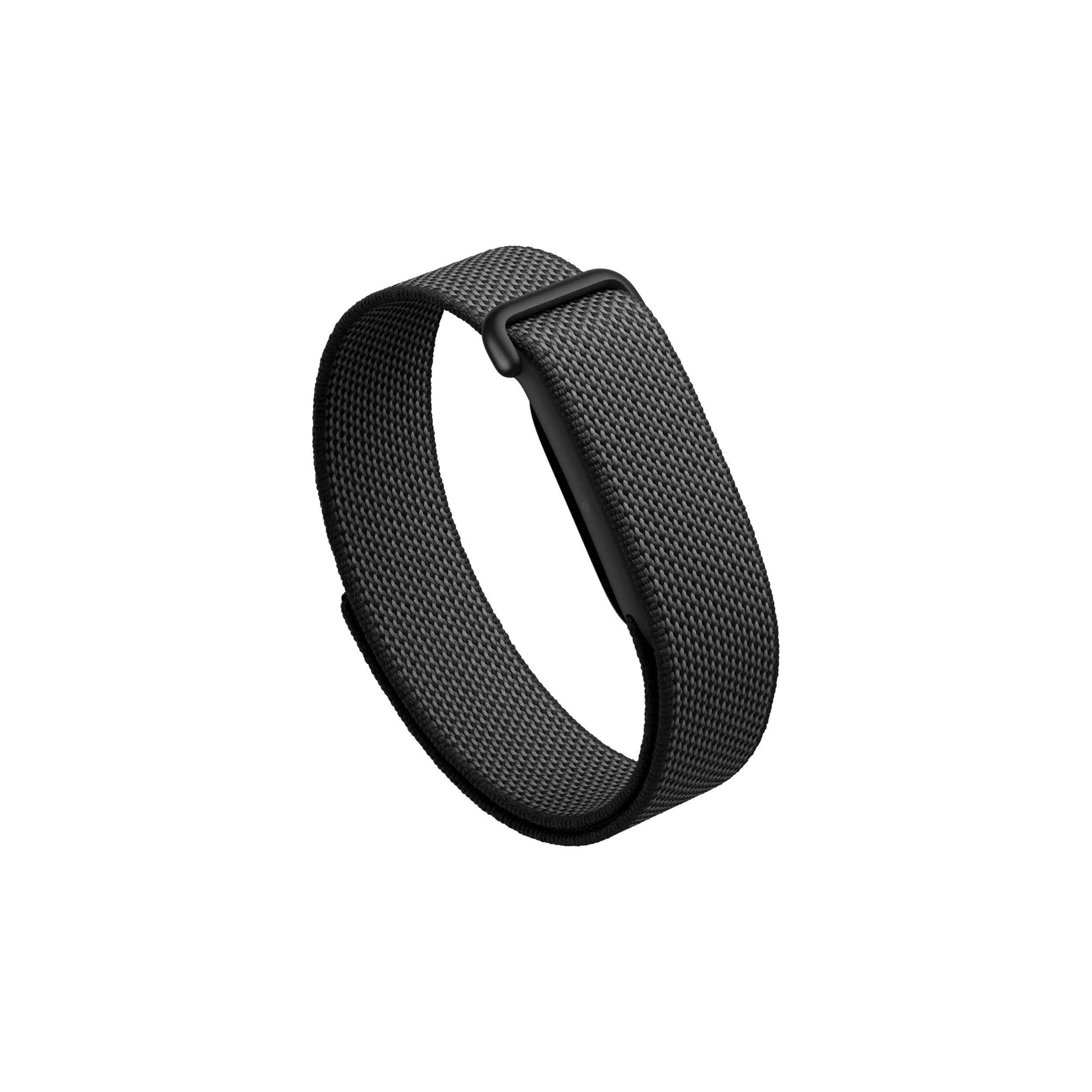
The hardware is the nicest screenless design here: a SuperKnit band, IP68, a battery rated at fourteen days, and a charging pack that sits over the band so you can top it up while wearing it. That last detail is the one we appreciate most, because a tracker you have to take off to charge is a tracker that misses a night.

The pitch is what it does with the data: REM, deep and light sleep, recovery, strain, HRV, a Healthspan read on how daily habits affect long-term health, and an AI coach that turns 140-plus metrics into a suggestion for the day. Setup is the stumbling block — the app assumes you will learn its vocabulary, and the first week is mostly calibration.

Bands are the practical wrinkle: the 5.0 uses different holders from the 4.0, so straps you already own will not transfer. For a first screenless tracker that is irrelevant; for an upgrade it is an annoying extra cost.

Bottom line: If sleep, recovery and strain are what you want to understand, WHOOP explains them better than anything else here — as long as you are happy paying yearly.

4

Bestinn H32 Pro

Bestinn H32 Pro

Style and display

Our Score 9.0/10
Check Price

Worth Noting

  • No wrist range quoted for the band
  • Too new to judge long-term durability
Display
1.58-inch
Warranty
3 years
Sport Modes
120+
Battery Life
Up to 7 days

Champagne gold is doing a lot of the work here. The H32 Pro pairs a metal-and-silicone case with a 1.58-inch screen — the largest in this roundup — and the finish reads as jewelry rather than gym kit, which is why it is our style pick. At 27 grams it is light on the wrist, and the band is adjustable, though the listing does not quote a wrist range, so measure before you order.

Underneath the looks is a familiar package: 120-plus sport modes, round-the-clock heart rate, blood pressure and blood oxygen readings, call and message notifications, and up to seven days of battery. The three-year manufacturer warranty is the longest here by a wide margin, and software support is listed through the end of 2029 — both details that matter more on a brand you have not worn before. How it holds up in year two is the open question; the model is too new for anyone to answer it yet.

Bottom line: The best-looking tracker here: a champagne-gold case, the largest screen in the group and a three-year warranty.

5

Moremore C60

Moremore C60

First trackers

Our Score 9.2/10
Check Price

Worth Noting

  • No built-in GPS
  • No depth rating quoted for swimming
Color
Beige
Display
1.1-inch AMOLED
Sport Modes
25
Battery Life
Up to 7 days

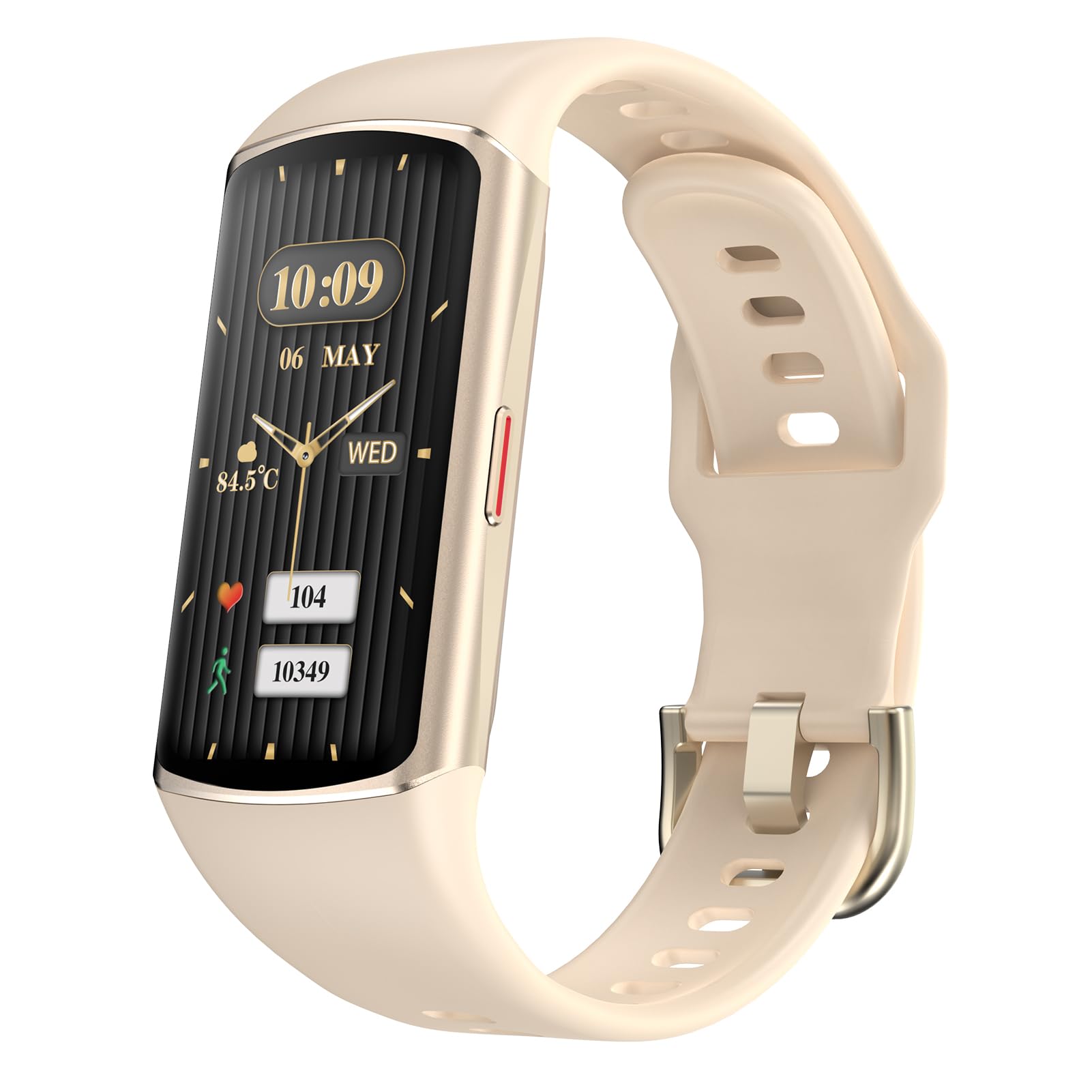
The C60 is the least expensive tracker here, and it does not look it: a 1.1-inch AMOLED panel, a beige case that will not clash with anything, and a magnetic charger that snaps on in one orientation. Battery is rated at seven days, and a full charge takes one to two hours.

For the money you get the everyday basics done properly — continuous heart rate, blood pressure and blood oxygen readings, sleep stages, 25 sport modes, call and message alerts and a sedentary nudge — and you give up built-in GPS, so routes come from your phone. As a first tracker, or a second one for someone who mostly walks, we think it is the sensible buy.

Two things to check before ordering. No depth rating is quoted, so keep it out of the pool until you have confirmed one, and the model is new enough that long-term reliability is still an open question. Neither is unusual at this end of the market; both are reasons to treat it as a first tracker rather than a forever one.

Bottom line: Our budget pick: a beige AMOLED tracker that covers steps, sleep and heart rate without stretching the budget.

6

FITVII Nova 2.0

FITVII Nova 2.0

No-fee sleep tracking

Our Score 8.8/10
Check Price

Worth Noting

  • No glanceable stats without the app
  • IP68 only
Wrist Range
6.22–9.45 in
Subscription
None required
Bands Included
S and L
Water Resistance
IP68

The FITVII does the same trick as our top pick — no screen, continuous background tracking, nothing to distract you — for less money and with no subscription attached. In rose gold it reads as a bracelet, and the box includes small and large bands covering 6.22 to 9.45 inches, so a narrow wrist is not an afterthought.

It tracks heart rate, blood pressure, blood oxygen, HRV, sleep and daily steps, calories and distance in the background, and syncs to the app when you want the numbers. IP68 covers sweat and weather, and the battery is quoted at about a week with a quick charge.

Where we hesitate is depth. The pitch is exactly right — a no-fee bracelet you can sleep in — but the accuracy history behind this one is thin, and what exists says more about whether the band works than about how well the sensors track. If you want the screenless idea with a long track record, the Fitbit Air is the safer buy; if the appeal is trying the format without a membership, this is a reasonable place to start.

Bottom line: The screenless idea without a subscription: a rose-gold bracelet with two band sizes, for anyone who wants to try the format cheaply.

7

MorePro AIR2

MorePro AIR2

Big-screen value

Our Score 9.4/10
Check Price

Worth Noting

  • LCD panel is less crisp than AMOLED
  • A 1.57-inch screen makes for a big case
Display
1.57-inch LCD
Warranty
2 years
Sport Modes
112
Water Resistance
IP68

The AIR2's 1.57-inch screen is the second-largest here, and it is an LCD panel rather than AMOLED, which means slightly less punch and a display that stays readable at arm's length in daylight.

The feature list is long for the money: 112 sport modes, continuous heart rate, blood pressure and blood oxygen, sleep stages with daily and weekly summaries, call and text notifications, sedentary and hydration reminders, weather, alarms and menstrual cycle tracking.

It is IP68, takes a standard 20 mm band, and carries a two-year manufacturer warranty — the second-longest here. The case is big and square; on a narrow wrist it will look like a small phone.

Our hesitation is the panel and the profile. LCD is not as crisp as the AMOLED screens on the Bestinn or the Moremore, and a 1.57-inch display makes for a lot of watch if you wanted something discreet. Set those aside and the value is hard to argue with: numbers you can read without your glasses, a long warranty and more tracking modes than anyone needs. The hydration and sedentary nudges are the sort of thing you stop noticing after a week, and then stand up when the watch tells you to.

Bottom line: A big readable screen, 112 sport modes and a two-year warranty for budget money — as long as a large case does not bother you.

8

QVEQ Band 3

QVEQ Band 3

Low-cost everyday wear

Our Score 8.8/10
Check Price

Worth Noting

  • No built-in GPS
  • TFT panel is less crisp than AMOLED
Color
Pink
Display
1.47-inch TFT
Battery Life
7 days
Water Resistance
IP68

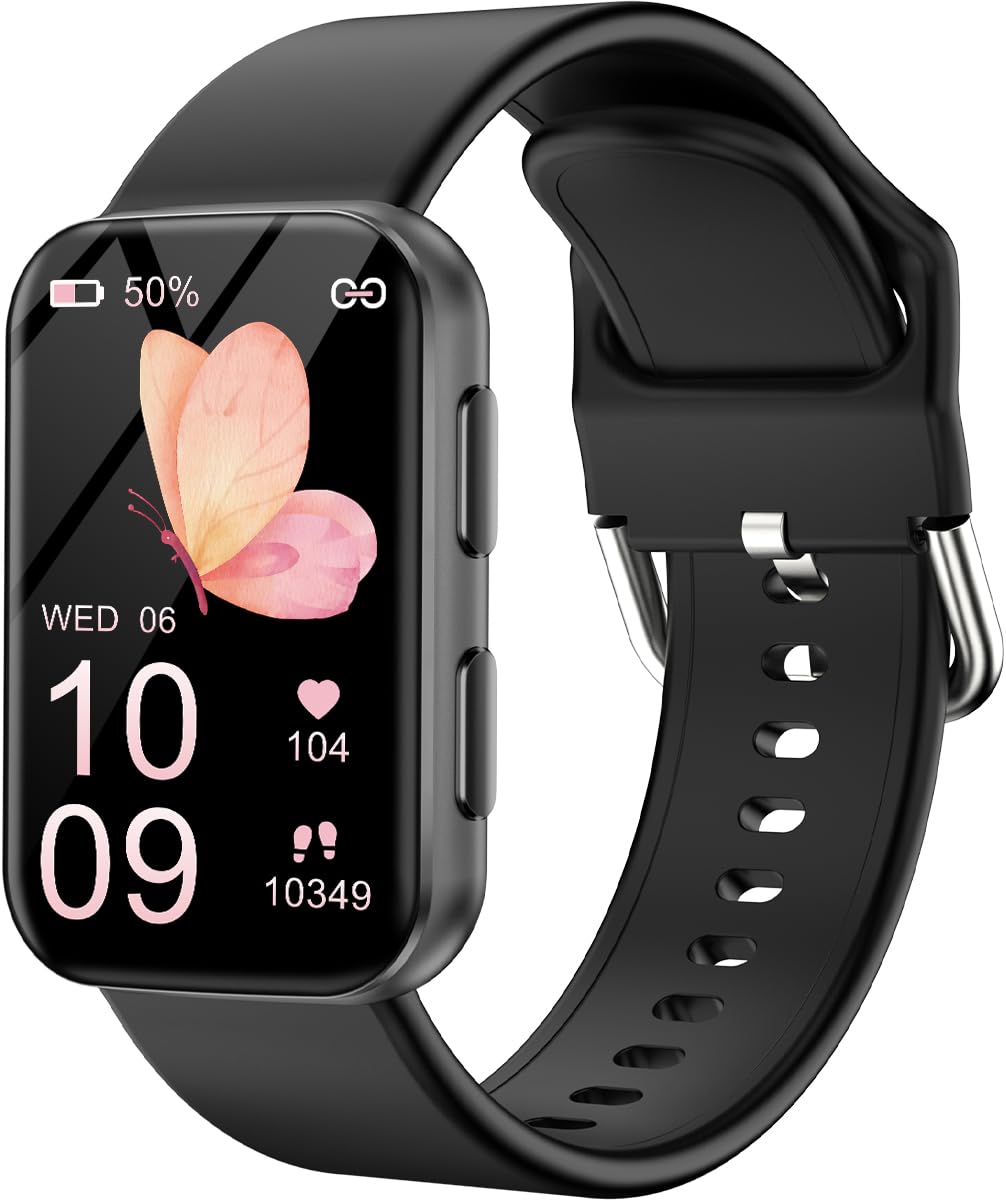
Pink is the first thing to say, and 200-plus watch faces is the second. The Band 3 has a 1.47-inch TFT screen, a tang buckle, IP68 protection and a 200 mAh battery rated at seven days with a two-hour charge.

For someone who wants a tracker that looks like an accessory without spending much, this is a cheerful option. Notifications, weather, music and camera controls all work from the wrist, heart rate and sleep data land in the GloryFit app, and the screen is big enough to read a message on. We think of it as a first tracker, or a second one for weekends.

The trade-offs are the usual ones at this end of the range: a TFT panel rather than AMOLED, no built-in GPS, and a record too short to say much about how the sensors hold up over months. The seven-day rating does mean charging is a weekend habit rather than a nightly chore, which is more than our top pick manages.

Bottom line: A cheerful, low-cost tracker with a pink case and 200-plus watch faces — a good first band rather than a long-term training partner.

How We Tested: Six Months, Twelve Trackers, One Wrist Each

We started with spec sheets: cases sold in smaller sizes, bands that don't trap sweat, and apps that work equally well on iOS and Android. From about 40 current models we cut anything bulky, anything that needed a proprietary charger, and anything that hides basic stats behind a subscription. That left 12, running from simple step-and-sleep bands to full smartwatches.

Each tester wore her assigned tracker continuously for six months — overnight for sleep and resting heart rate, through spin classes and strength sessions, and in the shower to see whether the water rating held. During intervals we wore a chest strap at the same time and compared the two readouts afterward, counted steps by hand on a measured loop, and logged every dropped sync or workout that failed to save.

Battery life got its own test: we noted the advertised number, then tracked how many days each one actually lasted with notifications and nightly sleep tracking switched on, and timed a full charge from dead. Connectivity meant walking out of phone range and back to see how quickly each reconnected, and reading texts off the wrist. Comfort we judged honestly — strap creep, rash, whether anyone reached to take theirs off at dinner. We photographed each one with work clothes and with gym clothes, since looks count in something you wear around the clock, and asked at the end whether the pricier picks bought anything we could actually feel.

How to Choose Fitness Trackers for Women

Fit first: measure the wrist, not the feature list

When a listing says one size, it means one band with an adjustable range — 130 to 210 mm on the Fitbit Air, for instance — not a band that fits everyone. Measure your wrist with a tape and compare it with the stated minimum before you order, because a band that starts too wide will sit loose and slide. Weight matters just as much: a band of about five grams disappears at night, and a 27-gram watch does not. If you plan to sleep in it, that difference is the whole purchase.

Decide whether you want a screen on your wrist

Screenless bands — the Fitbit Air, the FITVII, the WHOOP — track continuously and tell you nothing until you open the app. That is a real advantage at night and in meetings, and a real annoyance at four in the afternoon when you want your step count. Screened trackers split into AMOLED, which is sharper and dims further at night, and LCD or TFT, which is perfectly readable and often cheaper. Pick the screen you will actually look at, then check the battery rating that goes with it.

Treat accuracy as a range, not a promise

Wrist sensors are good at trends and shaky at specifics. Step counts drift when your arms move without walking — pushing a cart, sanding a shelf, folding laundry — and sleep staging is an estimate built from movement and heart rate rather than a lab study. Steady heart rate during exercise is the most trustworthy number on the screen. Blood pressure and SpO2 readouts are wellness estimates, not measurements to act on. Wear the band on your non-dominant wrist and compare a week of steps against your phone before you trust the totals.

Add up the cost of ownership

Two of these trackers carry ongoing costs. The WHOOP is sold as a twelve-month membership with the band included, so the renewal is the real price. The Fitbit Air works without a subscription, with Google Health Premium an optional extra that adds coaching. Everything else here is a one-time purchase. Decide which model you are comfortable with before you compare features, because a recurring fee changes what value means by the second year.

Check the app before you check the sensor count

Data you cannot read is data you do not have. Install the app and pair the band before the return window closes, and look at whether the dashboard shows you the numbers you care about without three taps. Garmin and Fitbit have the deepest apps; the budget models keep it simpler and hide less behind a paywall. Battery ratings here run from five days to two weeks, which is the difference between charging on a schedule and being surprised mid-run.

Frequently Asked Questions

Final Verdict

For most women, the Google Fitbit Air is the tracker to buy: about five grams, a band that starts at 130 mm, five days of battery and no subscription required. It tracks the things you will actually look at — steps, sleep, heart rate — and it is comfortable enough to keep on overnight, which is where the useful data comes from.

Choose the Garmin vivoactive 5 if you run or ride and want built-in GPS, and the WHOOP if recovery coaching is worth a yearly fee to you. Everyone else can spend far less on the Moremore and give up very little.